Sponsorship Machine
Raid: Shadow Legends — The Most Sponsored Game in Internet History
Raid's ads aren't traditionally fake — the game looks like it shows. The lie is in the delivery: an influencer sponsorship blitz that made the name a punchline.
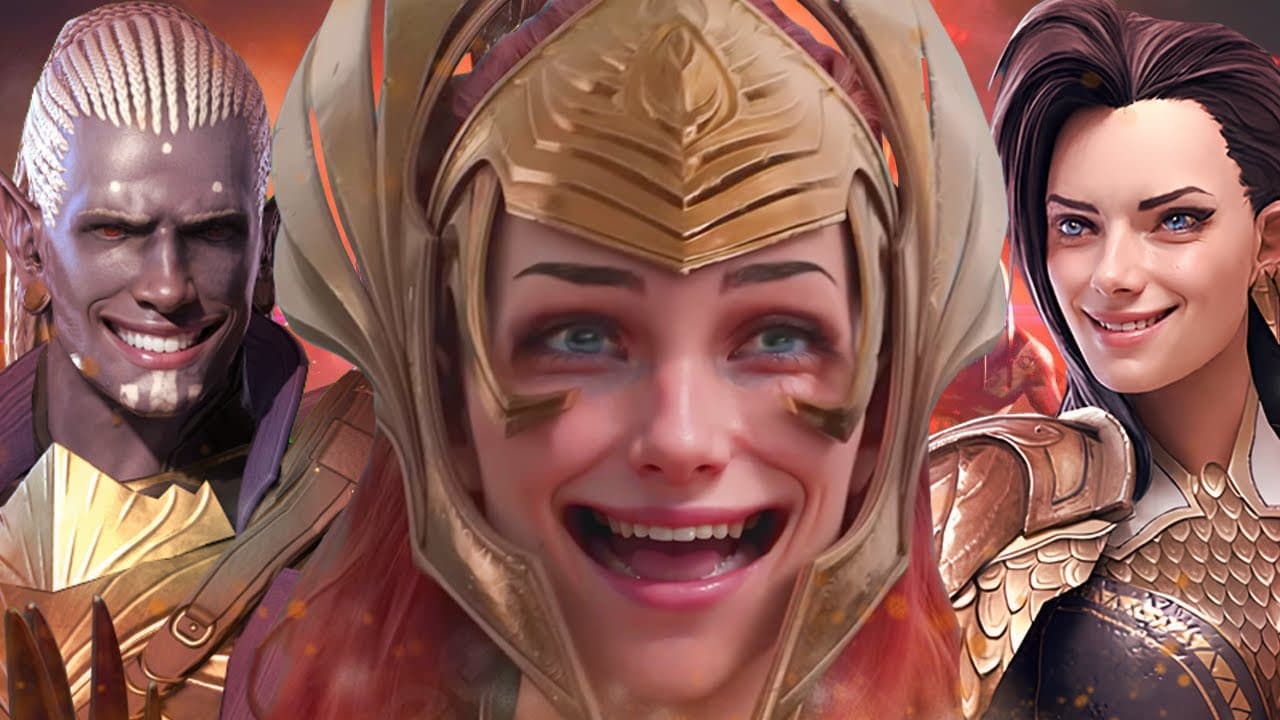
The ad
You've heard this script. You've heard it from your favorite YouTuber, your favorite streamer, your favorite podcaster:
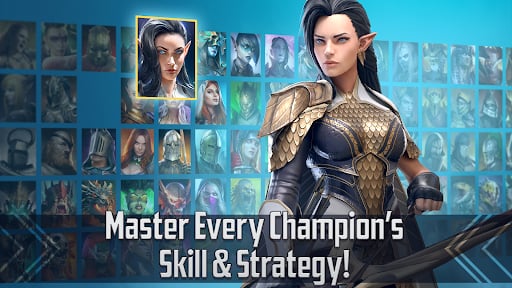
"Before we get into today's video, I want to talk about today's sponsor: Raid: Shadow Legends. Raid is a free-to-play mobile RPG with over 800 champions to collect, stunning graphics, and deep strategic gameplay..."
The ad reads are so ubiquitous, so formulaic, and so relentless that "Raid Shadow Legends" has become internet shorthand for "sponsored content." Plarium, the Israeli studio behind Raid, reportedly spent over $100 million on influencer marketing alone between 2019 and 2023.
What the real game is
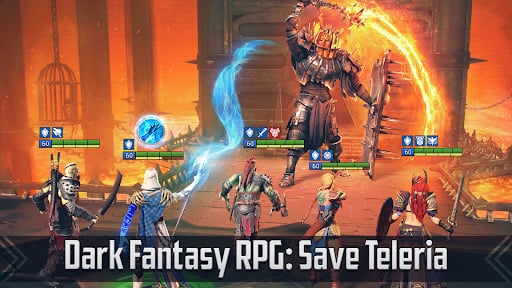
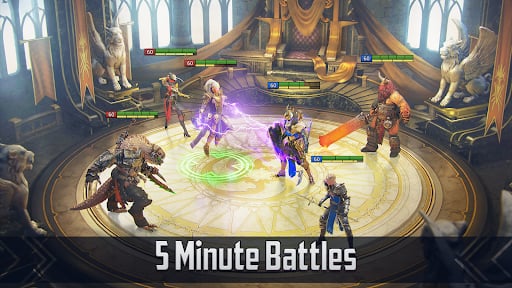
Here's the unusual part: Raid is roughly what the ads say it is. It is indeed a mobile RPG. It does have hundreds of champions. The graphics are genuinely polished for a mobile gacha game. The strategic layer exists.
The catch — and why Raid still earns a spot in this archive — is everything the ads don't say:
- It's a gacha game. Champion acquisition is driven by randomized loot pulls with real-money pricing
- It's an auto-battler. Most combat plays itself — you set up a team and watch them fight
- It's a time-gated grind. Progression without spending money slows to a crawl after the first week
- The "deep strategy" is largely about which champions to invest resources into, not tactical combat decisions
The influencer scripts carefully frame Raid as an action RPG you actively play. In practice, it's closer to a collection management simulator with an auto-play button.
The sponsorship singularity
Raid's advertising strategy represents something new in the fake-ad landscape. Instead of running misleading creative assets (like Playrix or Evony), Plarium outsourced the deception to trusted voices. When your favorite creator reads a script praising Raid, the implicit endorsement carries more weight than any banner ad.
The volume was staggering:
- Estimates suggest Plarium sponsored over 10,000 individual YouTube videos
- The sponsorship segments became so recognizable they spawned parody compilations and drinking games
- "This video is sponsored by Raid: Shadow Legends" became a meme template rivaling "That's how mafia works"
Our Lie Score: 4/10
This is one of the lowest scores in our archive, and deliberately so. Raid's ads are not mechanically dishonest — the game does look and play roughly as described. What's deceptive is the framing: the implication that this is a premium RPG experience when it's a free-to-play gacha game with aggressive monetization. The lies are in the omissions, not the claims.
Why it's in the archive
Raid earns its place not for the magnitude of its deception but for the scale of its delivery system. Plarium proved that you don't need to show fake gameplay if you can pay enough people to describe real gameplay in misleading ways. It's a different species of fake ad — one that exploits trust instead of visuals.