Narrative Bait
Merge Mansion: Grandma's Dark Secret (According to the Ads)
Merge Mansion's ads are thriller shorts about a grandma hiding dark secrets. The real game is a cozy merge puzzle with renovation. The ads beat most Netflix.
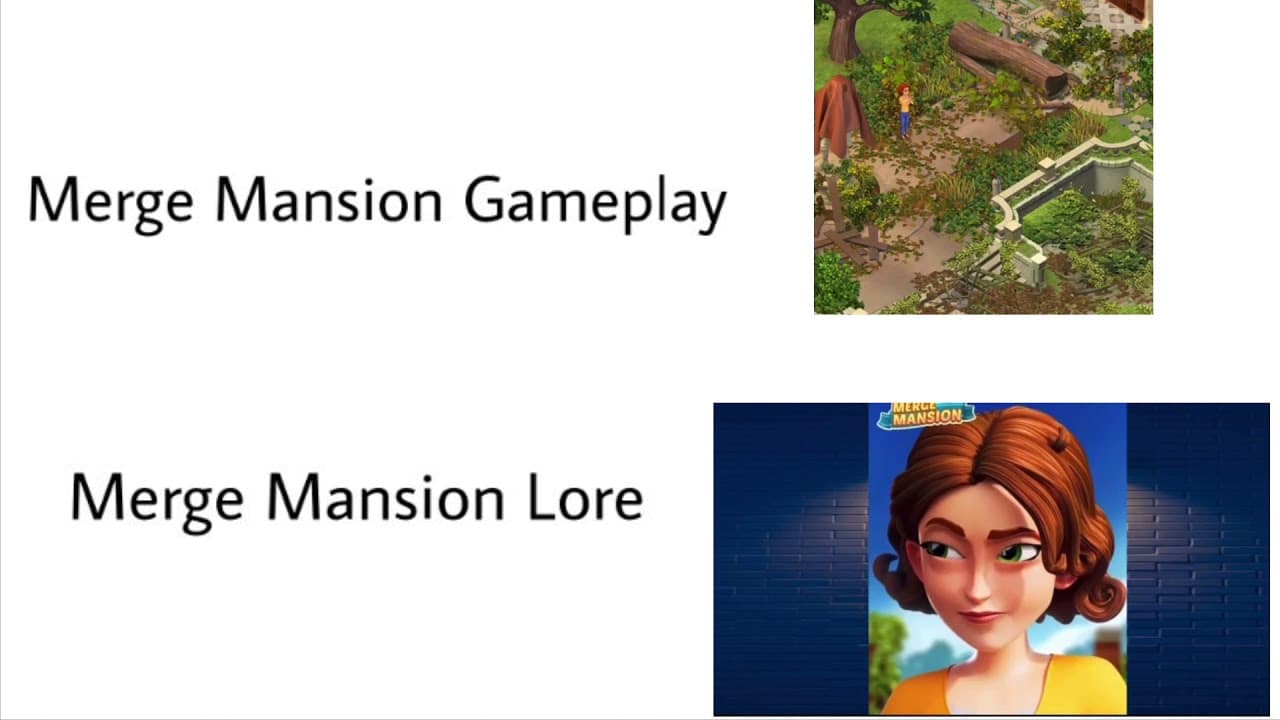
The ad
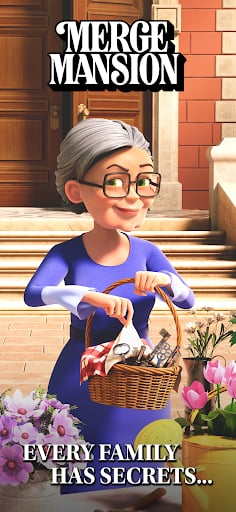
Grandma Ursula is not what she seems. In the ads, she buries something in the garden at night. She hides a locked room behind a bookshelf. She burns photographs. A detective investigates. There are flashbacks to a younger Ursula involved in... something. The tone shifts from cozy to menacing. Strings swell. A body? A secret identity? A crime?
The ads are, genuinely, better-produced than most mobile game advertisements. They tell a serialized mystery across dozens of creatives, each ending on a cliffhanger. Metacore, the Finnish studio behind Merge Mansion, invested in cinematic ad production that rivals short-form streaming content.
Viewers watched them not because they wanted a merge game, but because they wanted to know what Grandma did.
What the real game is
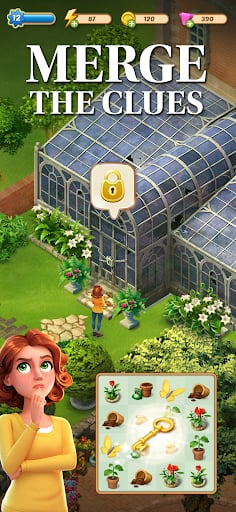
Merge Mansion is a merge puzzle game. You combine items on a board — two screws become a bolt, two bolts become a wrench, two wrenches become a toolkit — to fulfill renovation tasks. Clean up a garden. Fix a fountain. Repaint a fence.
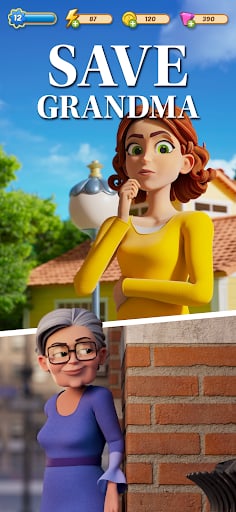
Grandma Ursula is in the game. She has dialogue. There is a storyline about renovating her mansion. But the dark mystery — the buried secrets, the detective, the crime thriller undertones — is dramatically toned down compared to the ads. The in-game story is a lighthearted renovation narrative with mild mystery elements, not the psychological thriller the ads promise.
The narrative bait strategy
Merge Mansion represents an evolution of the fake-ad formula. Instead of showing fake gameplay, Metacore showed fake narrative. The merge mechanics in the ads are real. The mansion is real. Grandma is real. What's fake is the emotional register — the promise of a dark, complex story that the actual game doesn't deliver.
This is harder to regulate than gameplay deception. The ASA can rule that a match-3 game can't advertise pin-pulling gameplay. But how do you rule that a game's story isn't dramatic enough?
The Grandma cinematic universe
Metacore leaned into the ad narrative so aggressively that it became its own property:
- Multiple ad storylines ran simultaneously, each with different mystery angles
- Fans created theory threads on Reddit and TikTok analyzing Grandma's backstory — based entirely on the ads, not the game
- Metacore eventually started incorporating darker story elements into the actual game, seemingly in response to ad-driven expectations
This is a rare case where the fake ads actively shaped the real product. The tail wagged the dog.
Our Lie Score: 8/10
The merge mechanics are honestly represented. The mansion is real. Grandma is real. But the dark thriller narrative — the core emotional hook of the ads — is so dramatically different from the actual in-game story that it constitutes a meaningful deception. You download expecting Gone Girl. You get Property Brothers.
Why it matters
Merge Mansion proves that the next generation of fake ads won't lie about mechanics — regulators are watching that. They'll lie about feelings. They'll promise emotional experiences the game can't deliver, using production values that make the lies feel premium. It's the most sophisticated fake-ad strategy we've catalogued.