Match-3 in Disguise
Royal Match: King Rescue Ads Meet an Actually Good Match-3
Royal Match's 'save the king' ads show dramatic rescues from drowning and fire. The real game is a polished match-3 with none of that — but actually very good.
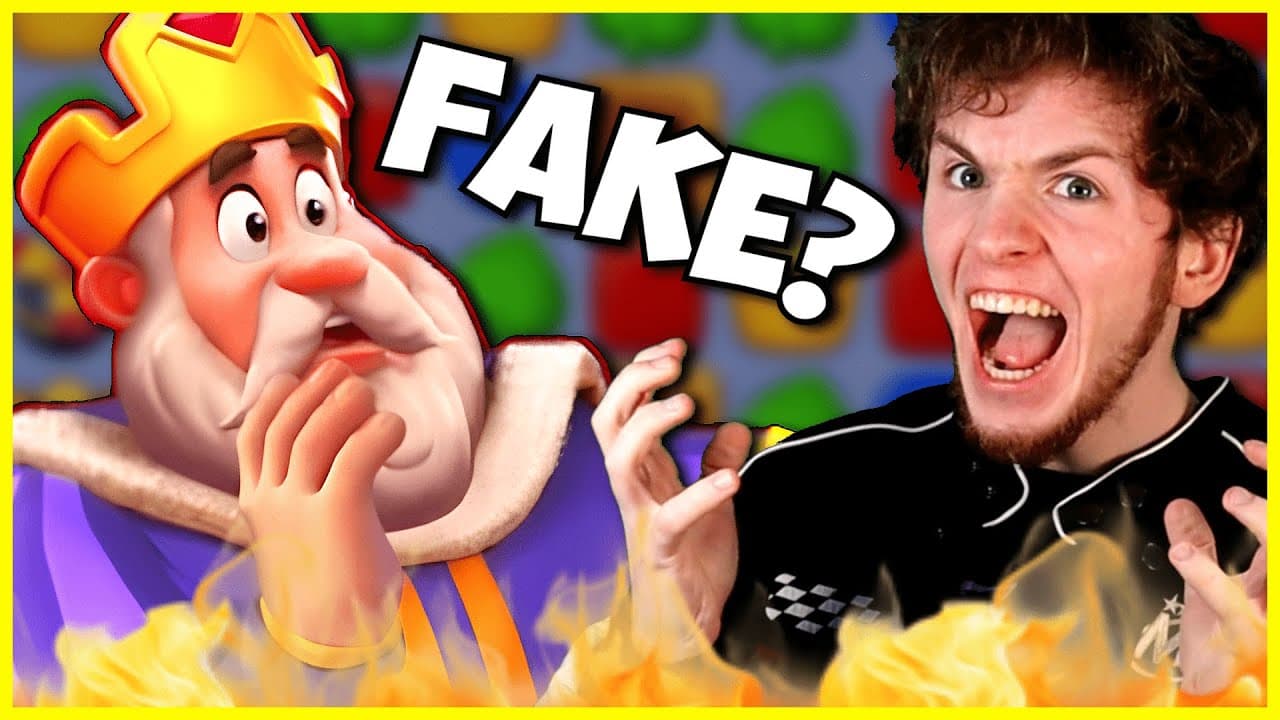
The ad
A cartoon king stands in a flooding room. Water rises. Fire spreads. Spikes descend from the ceiling. The "player" must pull pins, open doors, or arrange obstacles to save the king from a gruesome death. They fail. The king drowns, burns, or is impaled — depending on which of the hundreds of ad variants you've seen.
"Only 2% of people can solve this!" the ad insists, deploying the classic rage-bait formula that implies you are smarter than the fictional player who keeps failing.
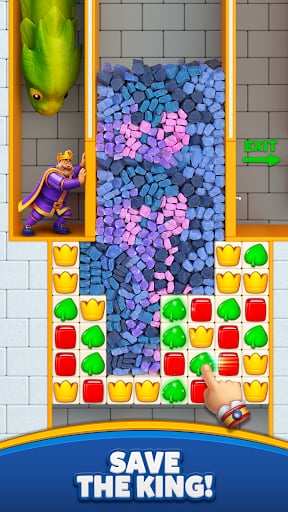
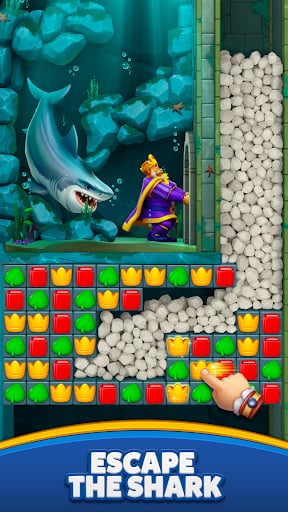
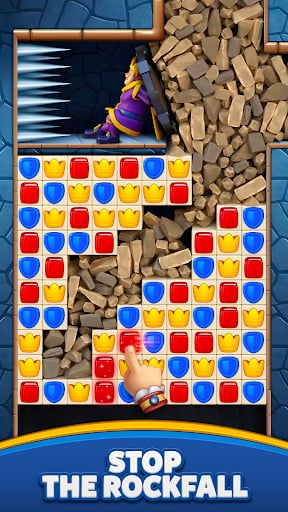
What the real game is
Royal Match is a match-3 puzzle game. You swap colored tiles. You clear objectives. You earn stars. You use those stars to decorate rooms in a castle.
The king appears as a mascot — he celebrates when you win, looks sad when you fail — but the pin-pulling, room-flooding, king-saving mechanics from the ads are not part of the gameplay. There is no rescue mode. There is no physics puzzle. The king is never in danger during actual play.
The Dream Games difference
What makes Royal Match interesting in the fake-ad landscape is that the underlying game is, by most accounts, genuinely good. Dream Games, a Turkish studio, built a match-3 that reviewers and players consistently rate higher than its competitors:
- Cleaner level design than Candy Crush
- More generous free-to-play economy than most competitors
- No forced video ads during gameplay
- Consistent 4.7+ app store rating
This creates an uncomfortable tension: the ads are clearly deceptive, but the product they're selling is arguably better than what the ads show. The king-rescue puzzle is attention-grabbing but shallow; the actual match-3 has real depth and polish.
The $2.6 billion question
Dream Games raised $255 million in funding and Royal Match generated an estimated $2.6 billion in lifetime revenue by late 2024. Much of this growth was fueled by the fake rescue ads.
The uncomfortable truth: the fake-ad playbook works. Royal Match proves that even a genuinely excellent product will still use deceptive advertising if it drives installs — because the mobile market is so competitive that honest ads for match-3 games simply cannot cut through the noise.
Our Lie Score: 8/10
The rescue mechanics in the ads don't exist in the game, which puts this firmly in misleading territory. It avoids a 9 or 10 because the game is legitimately good and the core genre (puzzle) is at least honest. The king really is in the game — he's just never in danger.
The ethical gray zone
Royal Match raises the hardest question in the fake-ad debate: if a studio makes a genuinely good game and uses deceptive ads to compete in a market where everyone uses deceptive ads, are they the villain or are they just playing by the rules the market established?
We don't have an answer. We just catalogue the lies.