Strategy in Disguise
Mafia City: That's How Mafia Works
Mafia City's ads became a meme: absurd 'Level 1 Crook vs Level 100 Boss' transformations. The real game is a generic strategy builder — zero action RPG gameplay.
The ad
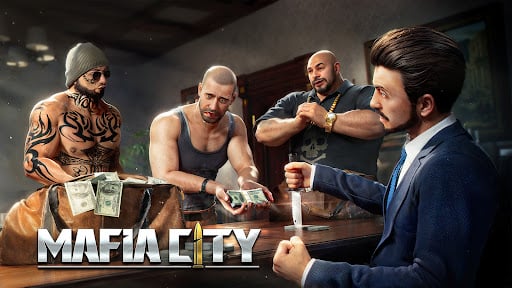
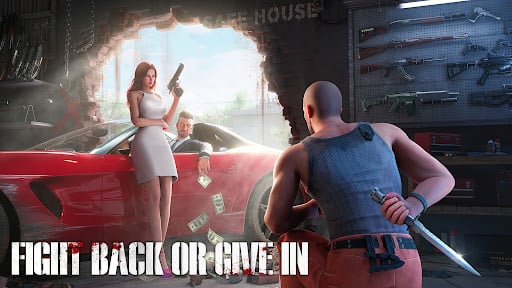
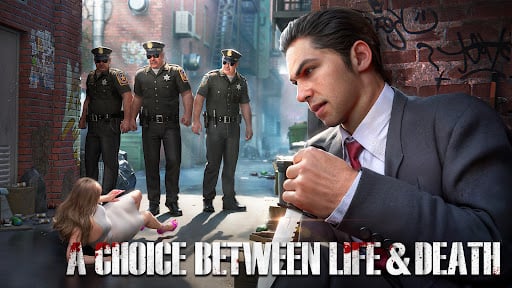
A scrawny guy in a tank top — labeled "Lv. 1 Crook" — gets beaten up by street thugs. He retreats to a gym. A training montage plays. He emerges as a hulking figure in a tailored suit — "Lv. 35 Boss." He walks into a nightclub. Women swoon. Enemies cower. The camera zooms out to reveal a penthouse, a fleet of sports cars, and a private army.
"That's how mafia works," the ad declares, completely deadpan.
These ads became one of the biggest ironic memes of 2019. The phrase "That's how mafia works" briefly rivaled "press F to pay respects" in internet ubiquity. The ads were so absurd, so transparently ridiculous, that people shared them voluntarily — turning Yotta Games' marketing budget into free viral distribution.
What the real game is
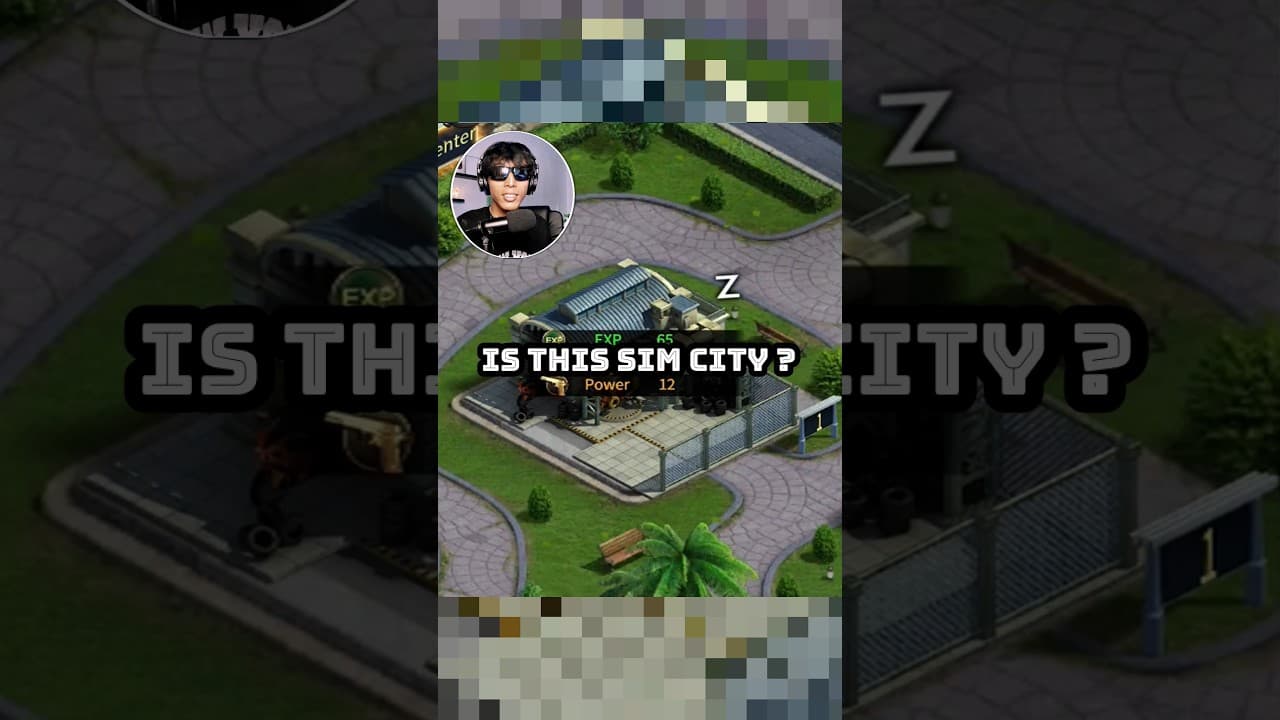
Mafia City is a city-building strategy game. You build a base. You recruit troops. You upgrade buildings. You join a clan and attack other clans. It is, in every mechanical sense, a reskin of every mobile strategy game released since Game of War in 2013.
There is no character progression from crook to boss. There is no action RPG combat. There is no training montage. There are no nightclubs. There is no third-person gameplay of any kind.
You stare at a top-down base. You tap timers. You wait. You spend gems to skip the waiting. That is the game.
The meme paradox
Mafia City occupies a unique position in fake-ad history: the ads were so obviously fake that they became effective anyway. The "Lv. 1 Crook" meme drove millions of installs from people who knew the game wouldn't look like the ad but downloaded it out of meme-fueled curiosity.
Yotta Games reportedly leaned into this, producing increasingly absurd ad variants — a crook evolving into a god, a boss fighting aliens, a level 999 kingpin who owns the moon. The worse the ads got, the more they spread.
Our Lie Score: 10/10
There is zero overlap between the ad and the game. The genre is different (action RPG vs. strategy builder). The perspective is different (third-person vs. top-down). The core loop is different (combat progression vs. timer management). The aesthetic is different (GTA-style crime drama vs. generic mobile base).
This is a perfect 10 — the Platonic ideal of a fake ad. The game in the advertisement does not exist in any form, in any mode, at any progression point, inside the actual product.
Cultural legacy
"That's how mafia works" outlived the game itself in cultural relevance. The phrase has been adapted, remixed, and referenced across gaming, politics, and internet discourse for years after the original ads stopped running.
In a strange way, Mafia City's fake ads created something more valuable than the game they were advertising: a meme template that achieved genuine, organic cultural penetration — all built on a foundation of total, unapologetic deception.