Soap Opera in Disguise
Lily's Garden: When the Lie Isn't About Gameplay — It's About Drama
Lily's Garden went viral with ads about fake pregnancies and betrayal. The real game is a match-3 garden reno — 'fabricated for virality,' per its writer.
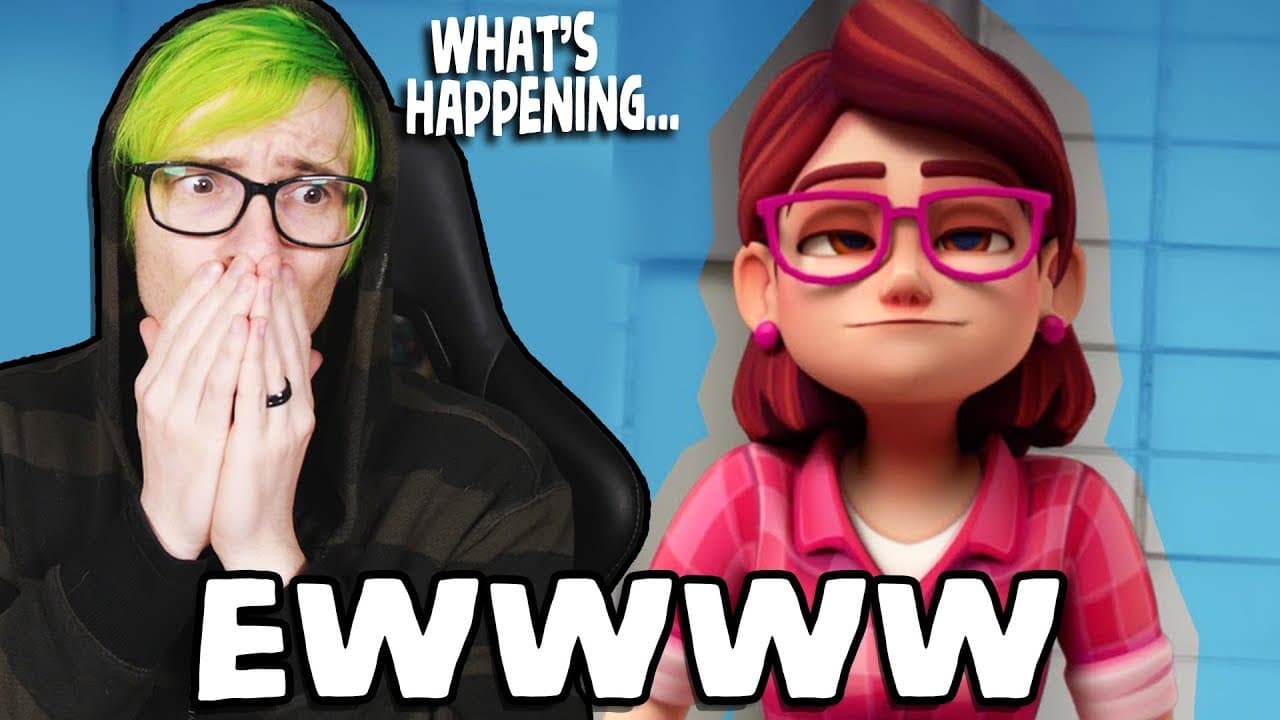
The ad
Lily takes a pregnancy test. It's positive. She shows her boyfriend, Blaine. He stares. He gets on a scooter. He rides away. Lily cries in the rain.
This is an ad for a game about matching colored tiles to renovate a garden.


The twist within the twist
Here's where it gets bizarre: the pregnancy was fake. In the ad's own internal narrative, Lily faked the test to get rid of Blaine. It's a soap opera within an advertisement for a Candy Crush clone. There are layers of fiction here that would make a postmodern novelist blush.
And the pregnancy storyline was just the beginning. Lily's Garden ads went on to feature:
- Romantic betrayals and love triangles
- Heavily implied sexual content and innuendo
- Characters in emotionally devastating situations
- Mini-narratives about toxic relationships
None of this appears in the game.
What the real game is
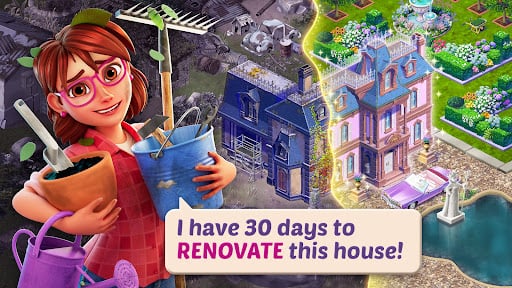
Lily's Garden is a match-3 game with a garden renovation theme. It is, mechanically, virtually identical to Gardenscapes. Match tiles. Earn stars. Fix the garden. The in-game story does involve Lily and some light interpersonal drama, but it is rated E for Everyone and contains absolutely nothing resembling the ads' soap-opera content.
The game's own writer, Stella Sacco, was candid about the disconnect in a 2026 interview with WBUR's Endless Thread podcast: the ads were created by a completely separate team. "All of those are totally fabricated for, I guess, virality," she said. "And to that degree, I would say that it worked."
A new species of lie
Most entries in this archive lie about mechanics — they show pin-pulling when the game is match-3, or puzzle-solving when the game is city-building. Lily's Garden lies about something different: emotion.
The ads don't misrepresent what you do in the game. They misrepresent what you feel. They promise drama, scandal, and narrative stakes. They deliver colored tiles. The mechanical lie says "the game plays different than shown." The emotional lie says "the game matters more than it does."
Our Lie Score: 8/10
The core match-3 gameplay is never shown in the ads, which would normally score higher. But Lily's Garden gets a slight discount because the game does have a story, Lily is a character in it, and the garden renovation framing is at least vaguely present. It's not a complete fabrication — it's a wildly exaggerated, sexually charged, emotionally manipulative distortion of a kernel of truth.
Which, come to think of it, might be worse.
The legacy
Lily's Garden's ad strategy worked. The game reportedly grossed over $100 million in its first two years. The success spawned imitators: suddenly every match-3 game had ads featuring infidelity, pregnancy scares, and relationship drama. The message to the industry was clear: if your game is boring, make your ads emotionally unhinged.
The ads team at Lily's Garden didn't just sell a game. They accidentally invented a new genre of micro-fiction — one where the only purpose of narrative is to make someone tap "Install."