Match-3 in Disguise
Gardenscapes: The Original Sin of Fake Mobile Game Ads
Before Homescapes, there was Gardenscapes — the game that proved you could sell a match-3 by advertising a pin-pulling puzzle, and got banned by the ASA for doing it.
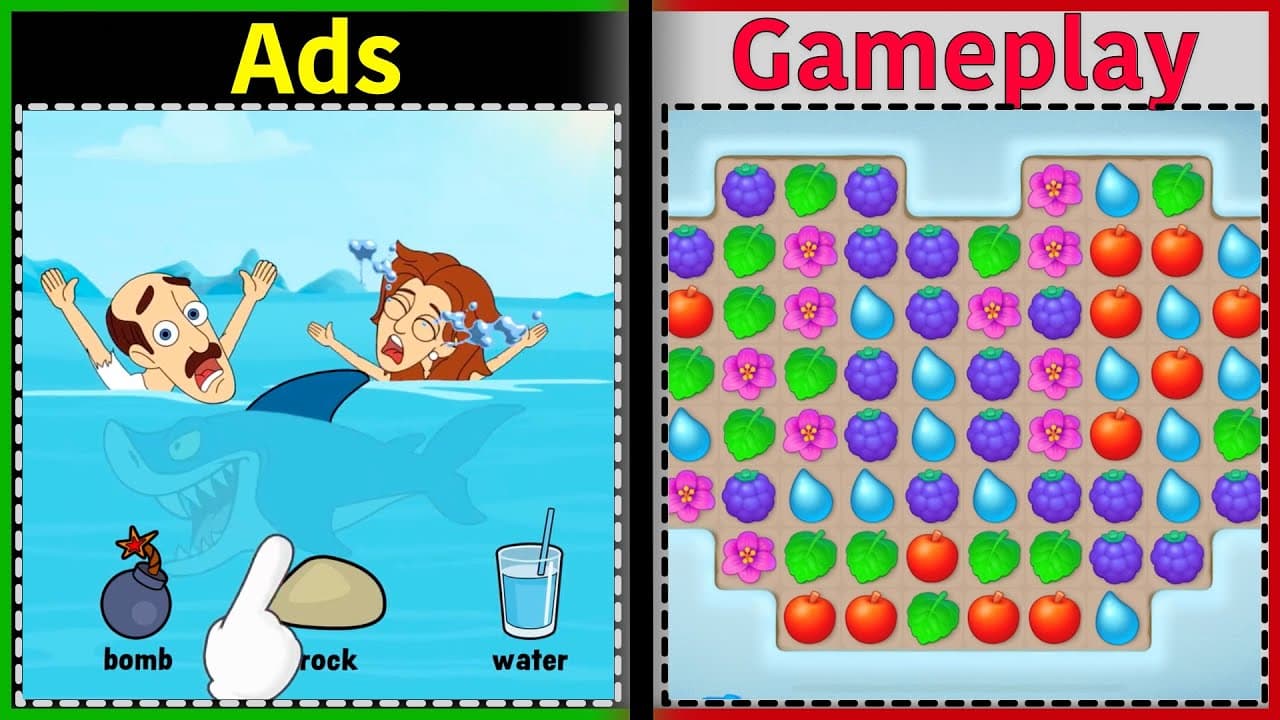
The ad
Austin the butler is back. This time he's in a garden. The garden is flooding. Snakes are loose. The sprinkler system has gone rogue. Between Austin and salvation: a series of pins.
Pull the right ones, and Austin escapes to a pristine garden. Pull the wrong ones, and water rushes in, snakes bite, the sprinkler explodes — pick your disaster. The simulated player, as always, chooses wrong.
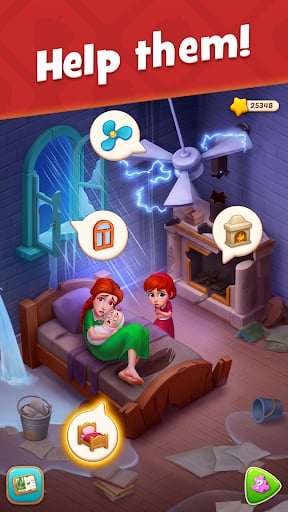


The original
If you've read our entry on Homescapes, you already know this story. But here's the detail most people miss: Gardenscapes came first.
Gardenscapes launched in 2016. Homescapes followed in 2017. Both are Playrix titles. Both are match-3 games with a renovation wrapper. But it was Gardenscapes that first discovered the pin-puzzle ad format converted better than any honest representation of match-3 gameplay ever could.
Gardenscapes is, in many ways, the patient zero of the modern fake-ad epidemic.
What the real game is
Gardenscapes is a match-3 puzzle game. You swap colored pieces on a grid to clear tiles. Completing levels earns stars. Stars unlock garden renovations — a new bench here, a repaired fountain there.
The pin-pulling gameplay from the ads? It doesn't exist in the main game loop. At all. Playrix eventually added a small minigame section after the ads went viral, but it remains a negligible fraction of actual play time — a legal fig leaf stitched over a blatant misrepresentation.
The ASA ruling
In October 2020, the UK Advertising Standards Authority issued a joint ruling against both Gardenscapes and Homescapes. The findings:
- The ads breached CAP Code rules 3.1 (misleading advertising), 3.9 (qualification), and 3.11 (exaggeration)
- The pin-pulling gameplay "bore no resemblance" to the core game
- The ads "must not appear again in the form complained about"
- Playrix was ordered to "ensure their ads were obviously identifiable as marketing communications" and accurately represented gameplay
The ads continued running in other markets within days.
Our Lie Score: 10/10
A perfect score. The advertised mechanic does not exist in the core game. A government regulator formally agreed this is misleading. The studio was ordered to stop and didn't. And the sheer scale of the campaign — billions of impressions across every social platform — makes this the most successful lie in mobile gaming history.
Why Gardenscapes matters to this archive
Every other entry in this collection exists, in some sense, because Gardenscapes proved the model worked. Evony saw it and added a pin-puzzle minigame. Hero Wars saw it and cloned the format wholesale. The entire fake-ad ecosystem is downstream of the moment Playrix's UA team discovered that a pin-puzzle creative converted 3x better than match-3 gameplay footage.
Gardenscapes didn't just lie about its own game. It taught an entire industry how to lie about theirs.